

Posted 6 months ago
What’s New in Hereditary Cancer for 2026?
As we begin a new year, many people focus on improving their health and understanding your genetic risk for cancer can be an important part of that journey. Hereditary cancer testing continues to evolve quickly, and staying informed can help you make the best decisions for yourself and your family. Here are some of the most meaningful updates in the world of hereditary cancer as we head into 2026.
One of the biggest changes this past year is the continued expansion and refinement of multi-gene panel testing. Over the past decade, testing has grown far beyond BRCA1 and BRCA2, and in 2026, we now have clearer data on additional genes linked to breast, ovarian, colorectal, prostate, and pancreatic cancers. Some genes that were once considered “emerging” now have enough evidence to guide screening and prevention, meaning more people are able to receive tailored recommendations instead of “one-size-fits-all” advice.
Guidelines from national organizations have also been updated to reflect this new evidence. In 2026, more people qualify for genetic testing based on personal or family history, and some groups now recommend testing earlier in adulthood for certain cancer types. These updates help ensure that individuals at higher risk can begin screening or preventive care sooner, when it has the biggest impact. If you’ve had genetic testing in the past, especially before 2016, when testing was more limited, this may be a good time to consider updated testing.
Finally, another important trend is increased awareness of how hereditary cancer affects the entire family. More clinics are helping patients share results with relatives through digital tools, and some labs now offer low-cost or no-cost testing for qualifying family members. Understanding your genetic information doesn’t just help you, it can empower your loved ones with lifesaving information.
If you have questions about whether these updates apply to you, or if you’re considering genetic testing for the first time, meeting with a genetic counselor can be a great place to start. The beginning of a new year is the perfect time to take charge of your health and learn more about your family’s cancer risk.
Mandy Kass, MS, CGC
Certified Genetic Counselor
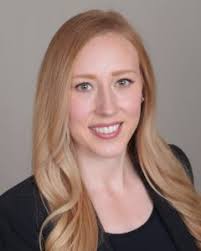
As a certified oncology genetic counselor, Mandy works with patients who have a personal and/or family history of cancer to assess their risk of having an inherited cancer predisposition. This information allows for the pursuit of early detection or possibly prevention of certain cancer types.
The ultimate goal of cancer genetic counseling is to empower patients to use their personal risk information to better inform treatment and management decisions and to educate family members on their possible cancer risks.
Mandy obtained her Bachelor of Science degree in Psychology from Arizona State University in 2013. She then went on to pursue her Master’s Degree in Human Genetics from Sarah Lawrence College and graduated in 2016. Her training in genetic counseling included clinical rotations at several locations throughout New York City, including Columbia University Medical Center, Mount Sinai Beth Israel, and Bellevue Hospital.
Prior to pursuing her graduate degree, Mandy worked for the National Suicide Prevention Lifeline. She is also a member of the National Society of Genetic Counselors and of the Cancer Special Interest Group. Outside of work, Mandy enjoys exploring Arizona, traveling, and spending time with her family, friends, and two golden retrievers.
She is happy to be part of Ironwood Cancer & Research Centers and to manage a genetic counseling department based on individualized care, patient education, and supportive guidance.
Please ask your Ironwood Cancer & Research Centers doctor for a referral to see our genetic counselor.