

Posted 11 hours ago
What Your Mom (and Dad) Can Tell You About Your Cancer Risk
Mother’s Day is a time to celebrate the women in our lives, and it often brings reflection on the traits we share with our mothers. When it comes to family history and cancer risk, many people naturally focus on their mother’s side of the family. However, one of the most important things I discuss with patients as a cancer genetic counselor is that your cancer risk is influenced by both sides of your family equally.
We inherit half of our DNA from our mother and half from our father. This means that genetic mutations linked to hereditary cancer syndromes, such as those in the BRCA1 or BRCA2 genes, can be passed down from either parent. A common misconception is that genes related to breast and ovarian cancer only come from the maternal side. In reality, your father can carry and pass on these same genetic changes, even if there is little or no history of cancer among his relatives. This is especially important because some hereditary cancer risks may be less obvious on the paternal side due to smaller family size, fewer female relatives, or cancers that tend to occur later in life.
Because of this, a thorough family history should always include both maternal and paternal relatives when possible. When I meet with patients, I ask about cancers on both sides of the family, including grandparents, aunts, uncles, and siblings. Patterns such as early-onset cancers, multiple relatives with the same or related cancers, or individuals with more than one cancer diagnosis can all be important clues, regardless of which side of the family they come from. Even a limited family history does not rule out the possibility of a hereditary cancer predisposition.
This Mother’s Day, one meaningful way to honor your family is by learning more about your full family health history and sharing that information with your healthcare provider. Understanding your inherited risk can help guide appropriate cancer screening, prevention strategies, and, in some cases, genetic testing. If you have questions about your family history or whether genetic counseling might be right for you, a cancer genetic counselor can help you make sense of the details and take the next best step for your health.
Mandy Kass Lightfoot, MS, CGC
Certified Genetic Counselor
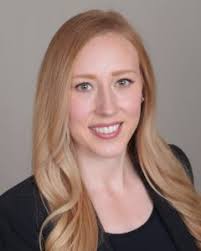
As a certified oncology genetic counselor, Mandy works with patients who have a personal and/or family history of cancer to assess their risk of having an inherited cancer predisposition. This information allows for the pursuit of early detection or possibly prevention of certain cancer types.
The ultimate goal of cancer genetic counseling is to empower patients to use their personal risk information to better inform treatment and management decisions and to educate family members on their possible cancer risks.
Mandy obtained her Bachelor of Science degree in Psychology from Arizona State University in 2013. She then went on to pursue her Master’s Degree in Human Genetics from Sarah Lawrence College and graduated in 2016. Her training in genetic counseling included clinical rotations at several locations throughout New York City, including Columbia University Medical Center, Mount Sinai Beth Israel, and Bellevue Hospital.
Prior to pursuing her graduate degree, Mandy worked for the National Suicide Prevention Lifeline. She is also a member of the National Society of Genetic Counselors and of the Cancer Special Interest Group. Outside of work, Mandy enjoys exploring Arizona, traveling, and spending time with her family, friends, and two golden retrievers.
She is happy to be part of Ironwood Cancer & Research Centers and to manage a genetic counseling department based on individualized care, patient education, and supportive guidance.
Please ask your Ironwood Cancer & Research Centers doctor for a referral to see our genetic counselor.