

Posted 1 month ago
Colon Cancer Isn’t Just a “Later in Life” Cancer
March is Colorectal Cancer Awareness Month, and one of the most important messages I share with patients is this: colon cancer does not only affect older adults. While screening has traditionally started later in life, we are seeing more people diagnosed at younger ages. That shift has made conversations about family history and inherited risk more important than ever.
As a cancer genetic counselor, I meet individuals and families every week who are surprised to learn that their personal or family history may suggest an inherited cancer condition. Many assumed colon cancer was random or simply related to diet or lifestyle. While those factors do matter, genetics can also play a meaningful role.
What Is Hereditary Colon Cancer?
Most colon cancers are not inherited. However, about 5-10 percent are caused by a genetic condition passed down through families. The most common of these conditions is Lynch syndrome.
Lynch syndrome is caused by a mutation in one of several genes that help repair DNA damage in our cells. When these genes are not working properly, the risk for certain cancers increases. Colon cancer is the most common, but Lynch syndrome can also increase the risk for uterine cancer and several other types of cancer.
The important thing to understand is that people with Lynch syndrome often look completely healthy. There are no physical signs. The only clues may be cancer diagnosed at a young age or a pattern of certain cancers in the family.
Red Flags That May Suggest an Inherited Risk:
You might consider asking about genetic counseling if you or your family has:
– Colon cancer diagnosed under age 50
– Multiple relatives with colon cancer
– A person who has had more than one colon cancer
– Colon and uterine cancer on the same side of the family or in the same person
– A known genetic mutation in a relative
Even if the cancer was diagnosed later in life, patterns across generations can still be important.
Why Does It Matter?
Identifying an inherited cancer predisposition can change medical care in very real ways. For example, someone with Lynch syndrome may start colonoscopies earlier and repeat them more frequently than the general population. Increased screening can help detect cancer earlier or even prevent it by removing precancerous polyps.
Genetic information can also guide treatment decisions for people who already have cancer. Some tumors linked to Lynch syndrome respond differently to certain therapies. Knowing this information can help oncology teams personalize care.
Just as importantly, genetic testing can provide valuable information for family members. If a genetic change is identified, relatives can choose to be tested. Those who test positive can follow enhanced screening. Those who test negative may be able to avoid unnecessary extra testing and anxiety.
What Happens During Genetic Counseling?
Many people feel nervous about meeting with a genetic counselor because they are unsure what to expect. A genetic counseling appointment is primarily a conversation.
We review your personal medical history and your family history in detail. We talk about what genetic testing can and cannot tell us. We discuss possible results and how each might affect medical management. If testing is appropriate and you choose to move forward, it is usually done through a blood or saliva sample.
Genetic counseling is about education and empowerment. The goal is to help you make informed decisions that feel right for you and your family. If you are unsure whether genetic counseling is right for you, consider asking your provider. Sometimes the most important first step is simply starting the discussion.
Mandy Kass, MS, CGC
Certified Genetic Counselor
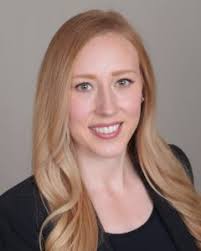
As a certified oncology genetic counselor, Mandy works with patients who have a personal and/or family history of cancer to assess their risk of having an inherited cancer predisposition. This information allows for the pursuit of early detection or possibly prevention of certain cancer types.
The ultimate goal of cancer genetic counseling is to empower patients to use their personal risk information to better inform treatment and management decisions and to educate family members on their possible cancer risks.
Mandy obtained her Bachelor of Science degree in Psychology from Arizona State University in 2013. She then went on to pursue her Master’s Degree in Human Genetics from Sarah Lawrence College and graduated in 2016. Her training in genetic counseling included clinical rotations at several locations throughout New York City, including Columbia University Medical Center, Mount Sinai Beth Israel, and Bellevue Hospital.
Prior to pursuing her graduate degree, Mandy worked for the National Suicide Prevention Lifeline. She is also a member of the National Society of Genetic Counselors and of the Cancer Special Interest Group. Outside of work, Mandy enjoys exploring Arizona, traveling, and spending time with her family, friends, and two golden retrievers.
She is happy to be part of Ironwood Cancer & Research Centers and to manage a genetic counseling department based on individualized care, patient education, and supportive guidance.