

Posted 2 months ago
National Cancer Control Month
Keeping Up with Routine Screening by Maddy Marcus
April is National Cancer Control Month, dedicated to increasing awareness of cancer prevention and early detection through recommended screenings. About 90% of cancers develop sporadically from factors like lifestyle, ageing, and environmental exposures. Everyone has a baseline risk for cancer, but routine screening can help with early detection, improve treatment, and save lives.
Breast Cancer:
Self-breast exams can be done by women of all ages. Clinical breast exams by a provider may also be considered before mammograms begin. Individuals should know how their breasts normally look and feel and report any changes to their doctor.
Breast cancer screening with mammograms begins at the age of 45. They are done every year or every other year depending on age and provider recommendation.
Colon Cancer:
Colon cancer screening with colonoscopies begins at the age of 45 through age 75. They are typically done every 10 years but may be done more often for someone with a family history or personal risk factor.
Cervical Cancer:
Cervical cancer screening is recommended for women beginning at age 25 through age 65, typically through a Pap test with HPV test every 3-5 years.
Prostate Cancer:
Prostate cancer screening with an annual PSA begins for men at age 45 through age 75.
Skin Cancer:
Self-skin exams can be done at all ages. Individuals should report any changes to their skin to their doctor. Those who are exposed to the sun regularly may also consider having an annual skin exam.
Lung Cancer:
Individuals who are current or former smokers may be recommended to screen for lung cancer with an annual low-dose CT scan beginning at the age of 50.
Genetics can be a complex and sometimes overwhelming topic. At Ironwood Cancer & Research Centers, we offer genetic counseling sessions both before and after testing to help you better understand the science behind genetics and what your results could mean for you and your family.
Your physician or healthcare provider may recommend genetic counseling and testing if you or your family have a history that includes:
Multiple relatives diagnosed with cancer
Several family members on the same side affected by the same or related cancers (e.g., colon and uterine cancers)
Diagnoses of ovarian or pancreatic cancer, which may be linked to inherited risks
An individual diagnosed with more than one type of cancer
Cancer diagnoses at younger-than-average ages (typically age 50 or younger)
A pattern of cancer appearing across generations
A known genetic mutation in the family that increases cancer risk
Ashkenazi Jewish (Eastern European) ancestry with a history of breast, ovarian, or pancreatic cancer
Cancer genetic counseling is here to support you and your loved ones.
At Ironwood Cancer & Research Centers, we offer genetic counseling through our Supportive Care Services department. Our certified genetic counselors are specially trained in both medical genetics and compassionate counseling.
A review of your personal and family history of cancer
An assessment of whether you may have an inherited risk for cancer
Clear, easy-to-understand explanations about genetics and how it may affect you
Emotional support for you and your loved ones as you navigate this information
Guidance to help you make informed decisions about your care
A safe space to ask questions and talk through any concerns
You don’t have to go through this alone—genetic counselors are here to help you feel informed, supported, and empowered.
Cassidy Pedraza, MS, CGC

Cassidy joined Ironwood Cancer Center and Research Centers in February 2025. She obtained her Bachelor of Science in Biology with a minor in psychology from Cal Poly San Luis Obispo and her Master of Science in Genetic Counseling from Arizona State University. During her training at Arizona State, she completed several clinical rotations at various institutions including Banner, Mayo Clinic, Ironwood Cancer Center, and Phoenix Children’s Hospital. She is a member of the National Society of Genetic Counselors. Her interests in genetic counseling include cancer genetics and improving health care access. Outside of work, Cassidy enjoys traveling, spending time with her friends and family, and trying new restaurants.
Mandy Kass, MS, CGC
Certified Genetic Counselor
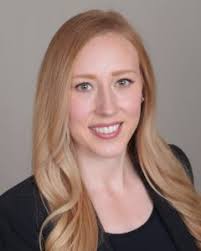
As a certified oncology genetic counselor, Mandy works with patients who have a personal and/or family history of cancer to assess their risk of having an inherited cancer predisposition. This information allows for the pursuit of early detection or possibly prevention of certain cancer types.
The ultimate goal of cancer genetic counseling is to empower patients to use their personal risk information to better inform treatment and management decisions and to educate family members on their possible cancer risks.
Mandy obtained her Bachelor of Science degree in Psychology from Arizona State University in 2013. She then went on to pursue her Master’s Degree in Human Genetics from Sarah Lawrence College and graduated in 2016. Her training in genetic counseling included clinical rotations at several locations throughout New York City, including Columbia University Medical Center, Mount Sinai Beth Israel, and Bellevue Hospital.
Prior to pursuing her graduate degree, Mandy worked for the National Suicide Prevention Lifeline. She is also a member of the National Society of Genetic Counselors and of the Cancer Special Interest Group. Outside of work, Mandy enjoys exploring Arizona, traveling, and spending time with her family, friends, and two golden retrievers.
She is happy to be part of Ironwood Cancer & Research Centers and to manage a genetic counseling department based on individualized care, patient education, and supportive guidance.
Please ask your Ironwood Cancer & Research Centers doctor for a referral to see our genetic counselor.